Hair Transplant procedures have become one of the most effective solutions for restoring hair and improving confidence. While modern transplant techniques deliver natural-looking results, many patients are eager to know how they can speed up hair growth after transplant surgery. Although hair growth follows a natural timeline, there are several proven ways to support healthy follicle development, improve scalp health, and encourage stronger hair growth during recovery.
Understanding the right post-transplant care routine can help you achieve the best possible results while protecting your newly transplanted grafts.
Understanding the Natural Hair Growth Timeline
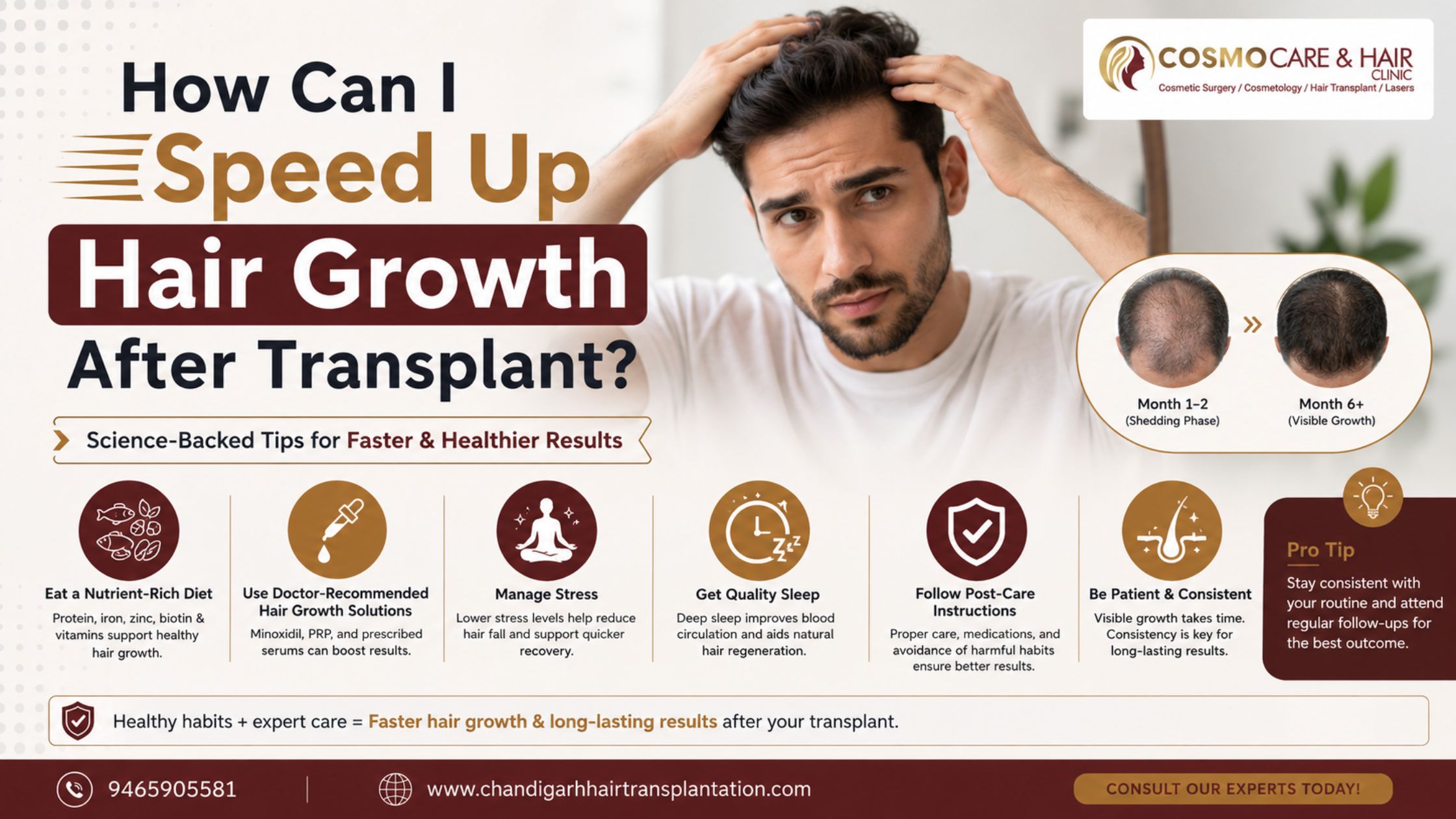
One of the most important things to remember after a hair transplant is that hair growth takes time. During the first few weeks, the transplanted hairs often shed, which is a normal part of the healing process. This stage is known as shock loss and should not be mistaken for transplant failure.
New hair growth typically begins around three to four months after the procedure. Patients generally notice significant improvements between six and nine months, while full results can take up to twelve to eighteen months. Following your surgeon’s recommendations throughout this period is essential for healthy and consistent growth.
Follow Post-Transplant Care Instructions Carefully
Proper aftercare plays a major role in the success of your hair transplant. The newly implanted grafts are delicate during the initial recovery period, and protecting them is critical.
Avoid touching, scratching, or rubbing the treated area. Follow the recommended washing routine provided by your clinic and use only approved shampoos and hair care products. Sleeping with your head elevated during the first few days can help reduce swelling and promote healing.
Patients treated at Chandigarh Hair Transplantation are typically provided with detailed aftercare guidelines designed to support optimal recovery and healthy hair growth.
Maintain a Nutrient-Rich Diet for Hair Health
Nutrition directly affects hair growth and follicle strength. After a transplant, your body requires essential vitamins, minerals, and proteins to support tissue repair and new hair development.
Foods rich in protein, iron, zinc, biotin, and vitamins A, C, D, and E can contribute to healthier hair growth. Include lean meats, eggs, fish, nuts, seeds, leafy vegetables, fruits, and whole grains in your daily meals.
Staying hydrated is equally important, as adequate water intake helps maintain scalp health and supports overall healing.
Improve Blood Circulation to the Scalp Naturally
Healthy blood circulation helps deliver oxygen and nutrients to the hair follicles. Better circulation can create a supportive environment for stronger and healthier hair growth.
Light physical activity, such as walking, may improve circulation once your surgeon approves exercise. However, avoid intense workouts during the early recovery period because excessive sweating and increased blood pressure can affect healing.
Once fully healed, gentle scalp massages may also help stimulate circulation and maintain scalp health.
Avoid Smoking and Excessive Alcohol Consumption
Smoking can restrict blood flow and reduce the oxygen supply reaching the hair follicles. This may negatively impact the healing process and potentially slow hair growth after a transplant.
Similarly, excessive alcohol consumption can contribute to dehydration and interfere with the body’s natural recovery mechanisms. Limiting or avoiding both habits during the recovery phase can support healthier hair growth and improve overall transplant outcomes.
Use Medications and Supplements as Recommended
Many hair transplant specialists recommend specific medications or supplements to support hair growth. These treatments are most effective and safest when administered under the guidance of a qualified hair restoration professional.
Certain medications may help maintain existing hair and encourage stronger growth, while nutritional supplements can address deficiencies that may affect hair health. Following your surgeon’s advice ensures that any treatment plan is safe and suitable for your individual needs.
Never start or stop medications without consulting your healthcare provider.
Protect Your Scalp from Sun Exposure
Direct sunlight can be harmful to a healing scalp, especially during the first few weeks after a transplant. Excessive sun exposure may irritate the scalp and affect the recovery process.
When spending time outdoors, wear a loose-fitting hat if permitted by your surgeon. Avoid prolonged exposure to strong sunlight and follow all post-procedure instructions regarding scalp protection.
Protecting the treated area helps create an ideal environment for newly transplanted follicles to establish themselves successfully.
Manage Stress for Better Hair Growth Results
Stress can affect various aspects of health, including hair growth. High stress levels may contribute to temporary hair shedding and can potentially influence recovery.
Practicing relaxation techniques such as meditation, deep breathing exercises, yoga, or regular physical activity can support both mental well-being and overall health. Maintaining a balanced lifestyle helps create favorable conditions for healthy hair development after a transplant.
Be Patient and Focus on Long-Term Results
Many patients become concerned when they do not see immediate hair growth after their procedure. However, hair transplantation is a gradual process that requires patience.
Each individual’s growth timeline may vary based on factors such as age, genetics, health, and post-operative care. Consistently following professional advice and maintaining healthy habits can help maximize your results over time.
Choosing an experienced clinic such as Chandigarh Hair Transplantation can also provide patients with ongoing guidance and support throughout their hair restoration journey.
Conclusion
If you are wondering how to speed up hair growth after transplant surgery, the answer lies in supporting your body’s natural healing process. Following aftercare instructions, maintaining a healthy diet, avoiding smoking, managing stress, protecting your scalp, and using recommended treatments can all contribute to healthier hair growth. While researching treatment options, many patients also compare factors such as the Hair Transplant Cost In Chandigarh, as choosing an experienced clinic and quality care can influence both the recovery experience and overall results.
While there is no instant solution for faster results, patience and proper care can significantly improve your chances of achieving thicker, fuller, and more natural-looking hair. By focusing on long-term scalp health and recovery, you can enjoy the full benefits of your hair transplant procedure and maximize the value of your investment.
Frequently Asked Questions
How long does it take for transplanted hair to start growing?
Most patients begin noticing new hair growth approximately three to four months after their hair transplant. Visible transformation typically becomes more apparent as new hair matures during the six- to nine-month period.
Can vitamins help speed up hair growth after a transplant?
Vitamins and minerals can support healthy hair growth when combined with a balanced diet. However, supplements should only be taken under professional guidance.
Is hair shedding normal after a hair transplant?
Yes, temporary shedding of transplanted hairs is a normal part of the recovery process and usually occurs within the first few weeks after surgery.
Does smoking affect hair transplant results?
Smoking can reduce blood circulation and oxygen supply to hair follicles, which may negatively affect healing and hair growth after a transplant.
When can I return to exercise after a hair transplant?
Light activities may be resumed after a few days, but intense exercise should only be restarted according to your surgeon’s recommendations to avoid disrupting the healing process.