Hair loss is no longer something people simply accept as a part of aging. In 2026, advancements in hair restoration technology have made it possible to achieve natural-looking results with less discomfort, faster recovery, and better long-term success. Many individuals who once relied on temporary solutions are now considering permanent options that restore both appearance and confidence.
If you are researching a Hair Transplant In Chandigarh, it is important to understand that the procedure is not just about moving hair from one area to another. A successful outcome depends on the right diagnosis, an experienced surgeon, proper planning, and realistic expectations. Before making a decision, patients should learn about the available techniques, the consultation process, recovery, and the factors that influence final results.
At Chandigarh Hair Transplantation, the focus is on providing personalized treatment plans based on each patient’s hair loss pattern, donor area strength, and desired appearance. This guide explains everything you need to know before undergoing a hair restoration procedure in 2026.
What Is Hair Restoration?
Hair restoration refers to medical procedures that help restore hair in areas affected by thinning or baldness. Modern techniques are designed to create a natural hairline and improve density while preserving existing hair. Unlike older methods that often produced an artificial appearance, current procedures focus on precision and long-term growth.
The most common approaches include Follicular Unit Extraction (FUE), Direct Hair Implantation (DHI), and advanced variations such as Bio FUE. These techniques involve extracting healthy hair follicles from the donor area, usually the back or sides of the scalp, and implanting them into areas where hair is thinning.
In 2026, hair restoration will be more customized than ever before. Surgeons consider facial structure, hair texture, age, future hair loss progression, and patient expectations before designing a treatment plan. This personalized approach helps create results that look natural rather than obvious.
Who Is an Ideal Candidate for Hair Restoration?
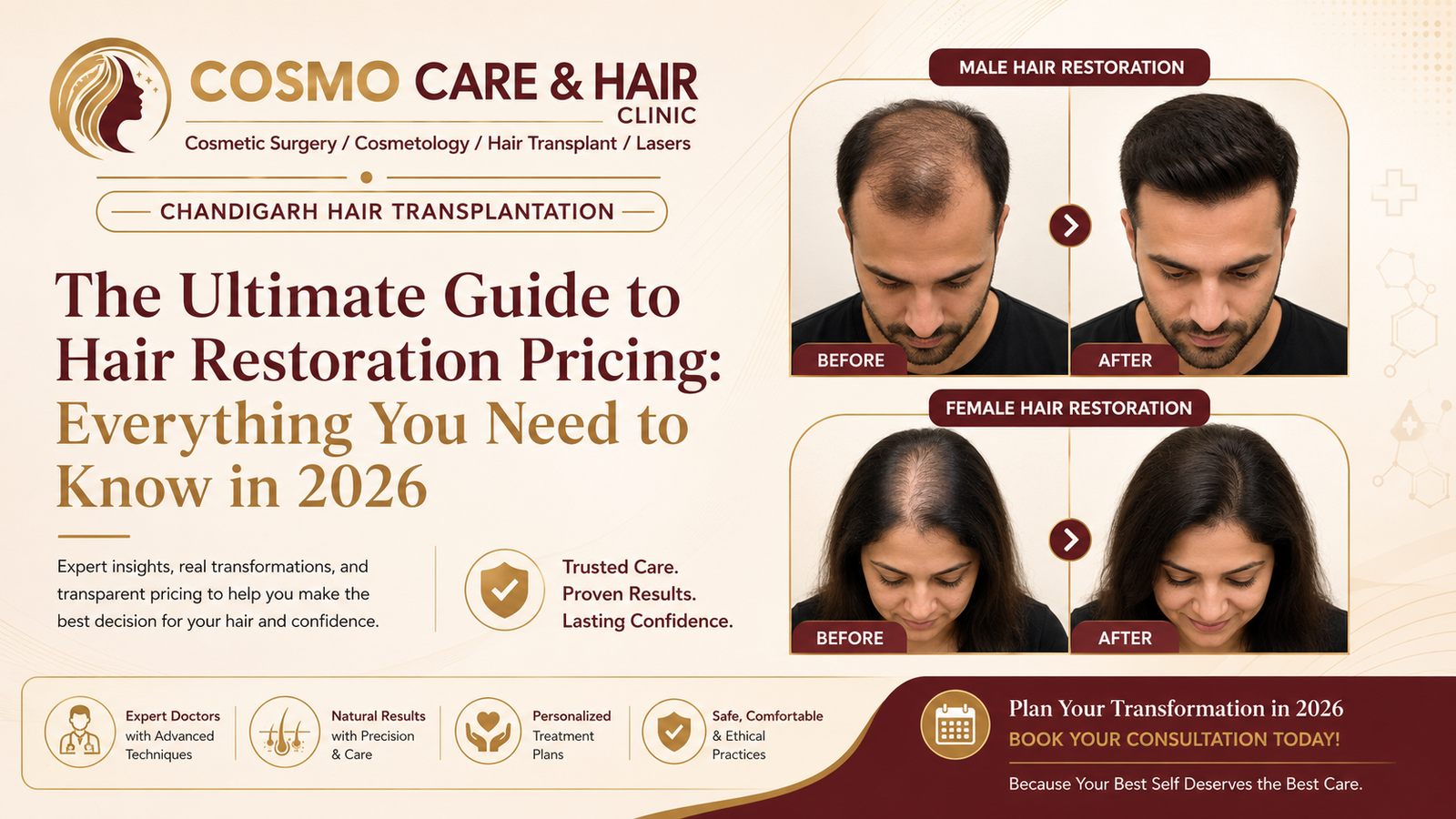
Not everyone experiencing hair loss is immediately suitable for a hair restoration procedure. The best candidates usually have a stable donor area with enough healthy follicles to cover thinning or bald regions. Men with receding hairlines, crown baldness, or pattern baldness often benefit from the procedure, while women with thinning hair may also be suitable depending on the cause.
A thorough consultation is essential to determine eligibility. During this stage, the surgeon evaluates the extent of hair loss, scalp condition, medical history, and future hair loss risk. Patients with unrealistic expectations may be advised to reconsider or explore alternative treatments.
Hair restoration is generally most effective when there is enough donor hair available and the patient understands that the goal is improvement rather than perfection. A natural-looking result is usually more important than achieving extremely high density.
Popular Hair Restoration Techniques in 2026
Follicular Unit Extraction (FUE)
FUE is one of the most widely used hair restoration methods. Individual hair follicles are extracted from the donor area and implanted into the recipient area. Because the extraction is performed one follicle at a time, there is minimal scarring, and recovery is usually quicker compared to older strip methods.
Direct Hair Implantation (DHI)
DHI is a refined implantation technique in which extracted follicles are implanted directly into the scalp using a specialized tool. This allows for precise control over the angle, depth, and direction of each hair, helping create a more natural hairline.
Bio FUE
Bio FUE combines traditional FUE with regenerative support, such as growth factor-rich solutions, to enhance healing and improve graft survival. This approach may benefit patients seeking faster recovery and better overall hair growth.
The choice of technique depends on the patient’s hair loss pattern, donor area quality, desired density, and the surgeon’s recommendation.
How to Choose the Right Hair Transplant Clinic in Chandigarh ?
One of the most important decisions is selecting the right clinic and surgeon. The success of a hair restoration procedure depends heavily on the expertise of the medical team. A poorly planned procedure can lead to an unnatural hairline, uneven density, or wasted donor grafts.
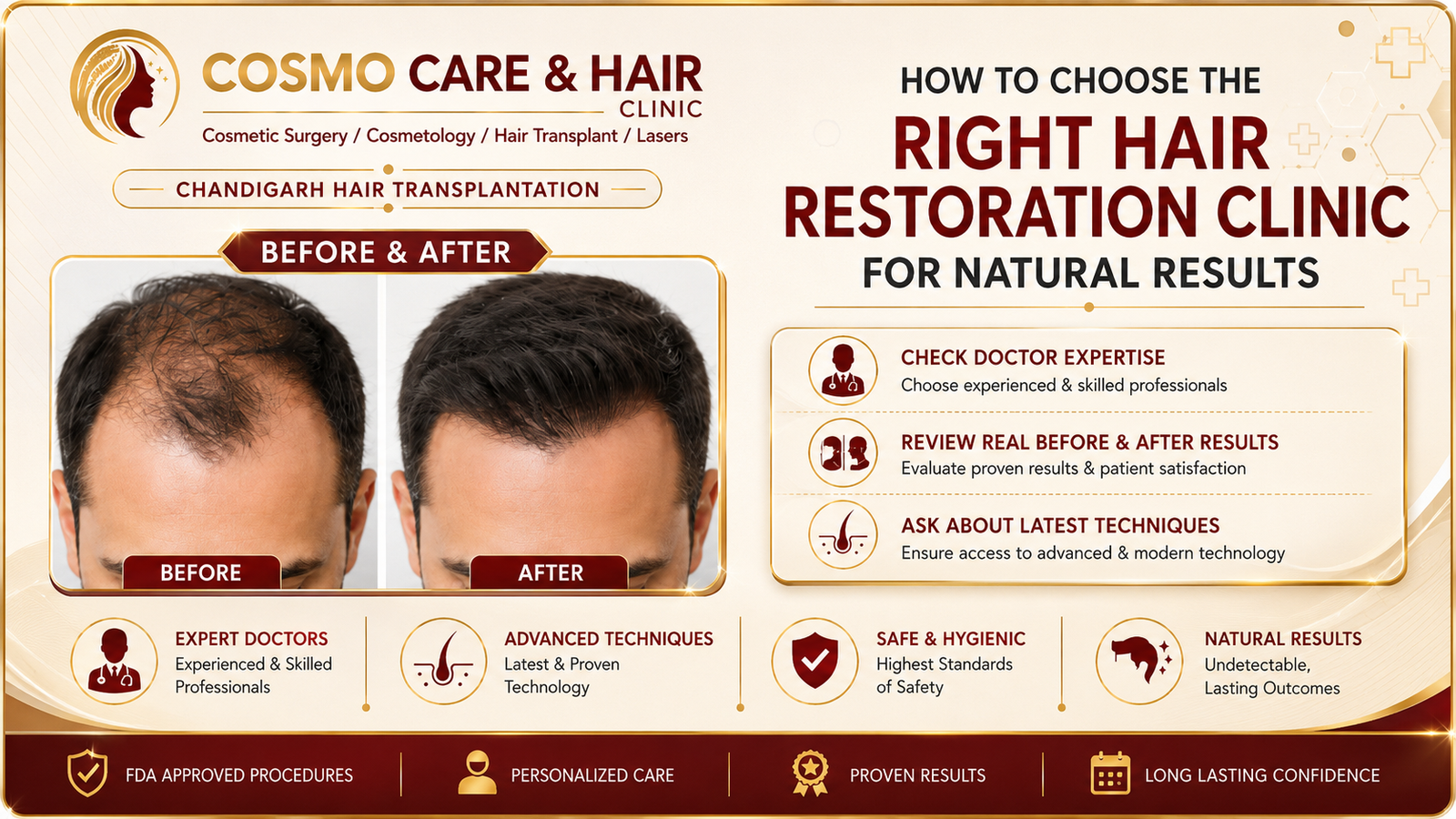
Patients should look for a clinic that offers a detailed consultation, explains the procedure clearly, and provides realistic expectations. Before-and-after results, patient reviews, surgeon experience, and hygiene standards are all important factors.
Chandigarh Hair Transplantation emphasizes personalized assessment rather than a one-size-fits-all approach. Each patient receives a treatment plan designed according to their individual hair loss condition, facial proportions, and long-term goals.
What Happens During a Hair Restoration Consultation?
The consultation is the foundation of a successful procedure. During this appointment, the surgeon examines the scalp, measures hair density, evaluates the donor area, and discusses the patient’s expectations.
The number of grafts required is estimated based on the area that needs coverage. The surgeon also explains the recommended technique, expected results, recovery timeline, and possible limitations.
A professional consultation should never feel rushed. Patients should leave with a clear understanding of what can realistically be achieved.
Hair Restoration Procedure: Step-by-Step Process
Preparing for the Procedure
On the day of the procedure, the donor and recipient areas are prepared, and local anesthesia is administered to ensure comfort.
Hair Follicle Extraction and Implantation
Hair follicles are extracted from the donor area using the chosen technique. After extraction, the follicles are carefully prepared and implanted into the thinning or bald areas at precise angles and directions to match natural hair growth.
Completion of the Procedure
The procedure may take several hours depending on the number of grafts required. Most patients can return home the same day.
Recovery After Hair Restoration
First Two Weeks
Mild swelling, redness, and scabbing are common during the first few days. Patients are usually advised to avoid heavy exercise, direct sun exposure, and scratching the scalp.
Hair Shedding Phase
Most scabs fall off within one to two weeks. It is also normal for the transplanted hair to shed during the first month as part of the natural growth cycle.
Hair Growth Timeline
New hair growth typically begins after three to four months. Noticeable improvement appears around six months, while full results usually develop between nine and twelve months.
What Results Can You Expect?
A successful hair restoration procedure should blend naturally with the existing hair. The hairline should suit the patient’s facial structure, and the density should appear balanced rather than artificial.
Patients undergoing a Hair Transplant In Chandigarh often notice gradual improvement over several months. The final result depends on graft survival, donor hair quality, scalp condition, and adherence to post-procedure care instructions.
Factors That Influence Hair Transplant Success
Surgeon’s Expertise
Proper graft extraction and placement directly affect the final appearance.
Donor Hair Quality
Healthy donor hair provides better coverage and more natural-looking results.
Post-Procedure Care
Following washing instructions, protecting the scalp, and attending follow-up appointments are essential for optimal healing.
Common Mistakes to Avoid Before Hair Restoration
Choosing a Clinic Based Only on Cost
Low-cost procedures may compromise treatment quality and surgeon expertise.
Expecting Immediate Results
Hair restoration is a gradual process that requires patience.
Ignoring Future Hair Loss
A good treatment plan considers future hair loss to maintain natural-looking results over time.
Why 2026 Is the Best Time for Hair Restoration
Hair restoration technology continues to improve in 2026 with better graft handling, precise implantation, shorter recovery periods, and more natural outcomes.
Patients now benefit from highly customized treatment plans that address their individual hair loss patterns, making the procedure more predictable and satisfying.
Conclusion
Deciding to undergo a hair restoration procedure is a significant step, and being well informed can make the experience much more positive. Understanding the techniques, consultation process, recovery timeline, and realistic expectations helps patients make confident decisions.
If you are considering a Hair Transplant In Chandigarh, choosing a trusted clinic with experienced professionals is essential. Chandigarh Hair Transplantation focuses on personalized treatment planning, natural hairline design, and patient-centered care to help individuals achieve long-lasting, natural-looking results.
The best outcome comes from careful planning, expert execution, and patience during recovery. With the right approach, hair restoration in 2026 can provide a meaningful improvement in both appearance and confidence.
Frequently Asked Questions
How long does a hair restoration procedure take?
The procedure usually takes several hours, depending on the number of grafts required. Most patients return home the same day.
Is the procedure painful?
Local anesthesia is used during the procedure, so patients generally experience minimal discomfort. Mild soreness may occur during recovery.
When will I see the final results?
Initial growth may appear after three to four months, while full results are typically visible between nine and twelve months.
Are transplanted hairs permanent?
In most cases, transplanted follicles are taken from a stable donor area and continue growing permanently in the recipient area.
Can women also undergo hair restoration?
Yes. Women with suitable hair loss patterns and adequate donor hair may also benefit after a professional consultation.
How do I choose the right clinic?
Choose a clinic that offers a detailed consultation, experienced surgeons, transparent communication, natural-looking results, and high hygiene standards.