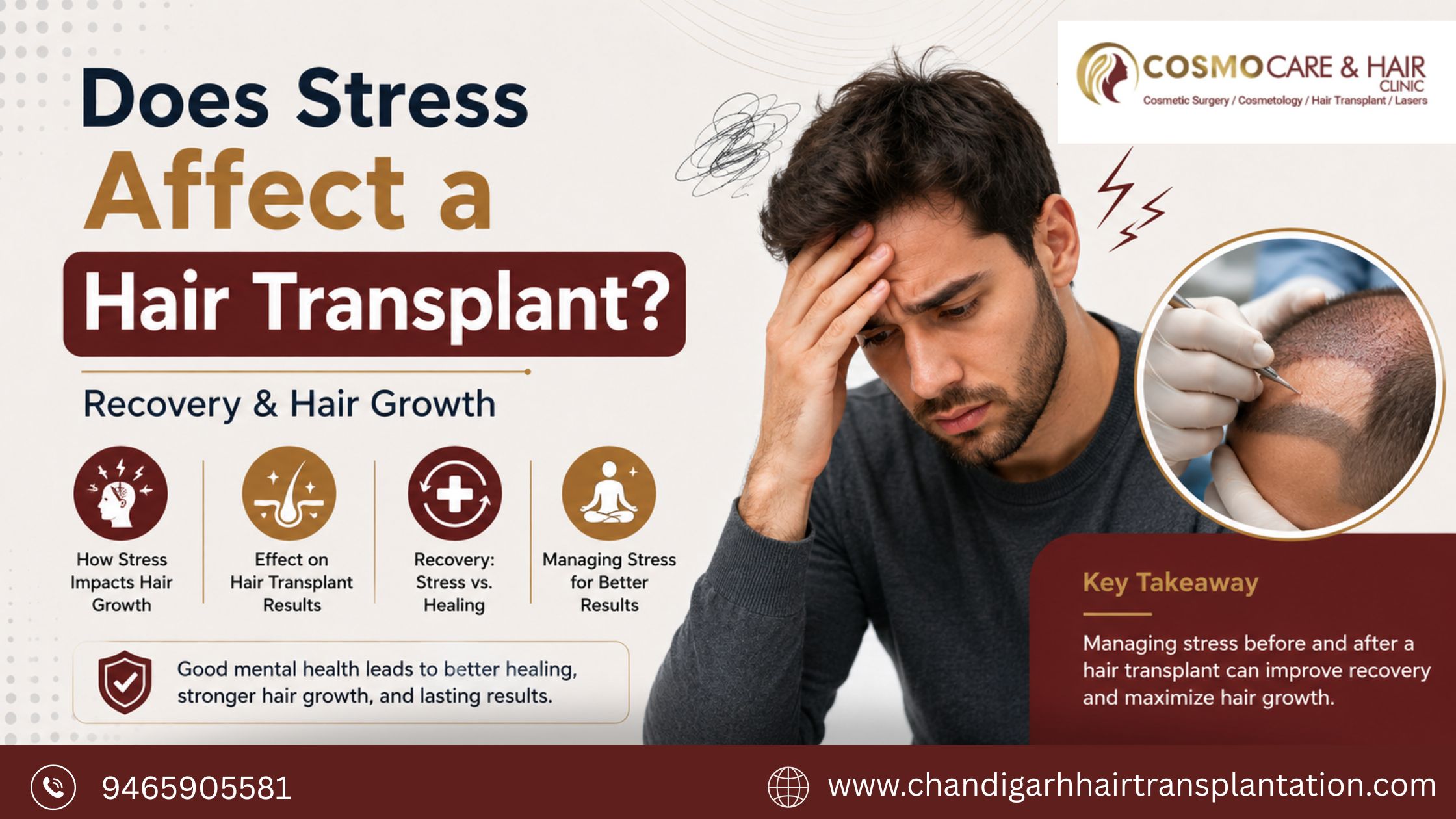
Hair transplant procedures have become one of the most effective solutions for restoring hair loss and improving confidence. However, many patients wonder, does stress affect a hair transplant? The answer is yes. While stress does not usually destroy transplanted hair grafts, it can influence the healing process, impact existing hair, and affect overall hair growth. Understanding the connection between stress and hair restoration can help you achieve the best possible results after your procedure.
Understanding How Stress Impacts Hair Growth Cycles?
Stress can have a significant effect on the body’s natural functions, including the hair growth cycle. When a person experiences prolonged physical or emotional stress, the body may shift more hair follicles into the resting phase, known as telogen. This condition, often called telogen effluvium, can result in increased hair shedding.
For individuals who have undergone a hair transplant, stress-related hair loss may affect the surrounding native hair rather than the newly transplanted grafts. Although the transplanted follicles are generally resistant to hair loss, maintaining low stress levels can support healthier and more consistent hair growth.
Why Stress Matters During Hair Transplant Recovery?
The recovery period is one of the most important stages after a hair transplant. During this time, the transplanted grafts need a healthy environment to settle and begin growing naturally. Excessive stress may interfere with the body’s healing mechanisms by increasing inflammation, disrupting sleep patterns, and affecting blood circulation.
Patients who experience high levels of stress after surgery may notice slower recovery, increased discomfort, or temporary shedding of existing hair. Following post-procedure instructions carefully and managing stress can help support a smoother healing process.
Can Emotional Stress Damage Transplanted Hair Grafts?
One of the most common concerns among patients is whether emotional stress can cause transplanted hair to fail. In most cases, transplanted grafts are securely implanted and are not directly damaged by stress. Once the grafts establish a blood supply and begin healing, they become a permanent part of the scalp.
However, chronic stress can create unfavorable conditions that may affect overall scalp health and hair quality. While the grafts themselves are generally safe, reducing stress remains an important part of protecting your hair restoration investment.
Temporary Shock Loss and Stress After Surgery
Many patients experience a temporary phase known as shock loss following a hair transplant. During this stage, some transplanted hairs and nearby natural hairs may shed before new growth begins. This is a normal part of the recovery process and should not be confused with permanent hair loss.
Stress can sometimes worsen the appearance of shock loss by contributing to additional shedding of existing hair. Understanding that this phase is temporary can help reduce anxiety and encourage a more positive recovery experience.
Healthy Lifestyle Habits That Support Hair Growth
Adopting healthy daily habits can significantly improve the outcome of a hair transplant. Proper nutrition, regular exercise, and quality sleep all contribute to stronger hair growth and overall well-being.
A balanced diet rich in vitamins, minerals, and proteins provides the nutrients hair follicles need to function properly. Staying hydrated and avoiding unhealthy habits such as smoking can further support scalp health and recovery.
At Chandigarh Hair Transplantation, patients are often encouraged to focus on long-term wellness habits that complement their hair restoration journey and promote optimal results.
Effective Ways to Reduce Stress After Treatment
Managing stress does not have to be complicated. Simple lifestyle adjustments can make a noticeable difference during recovery and beyond. Techniques such as meditation, deep breathing exercises, walking, yoga, and mindfulness practices can help lower stress levels naturally.
Maintaining realistic expectations is also important. Hair transplant results develop gradually over several months, and understanding the normal growth timeline can prevent unnecessary worry. Patients who remain patient and consistent with aftercare often feel more confident throughout the recovery process.
How Sleep Quality Influences Hair Restoration Results?
Sleep plays a crucial role in both stress management and healing. During sleep, the body repairs tissues, regulates hormones, and supports cellular regeneration. Poor sleep quality can increase stress hormones, potentially affecting the body’s ability to recover efficiently.
Following your surgeon’s recommendations regarding sleeping positions and ensuring adequate rest can contribute to a more comfortable recovery. Prioritizing quality sleep helps create the ideal environment for healthy hair growth after transplantation.
When to Seek Professional Advice About Hair Shedding?
Some degree of shedding after a hair transplant is expected, but excessive or prolonged hair loss should be discussed with a qualified specialist. A professional evaluation can determine whether shedding is part of the normal recovery process or related to other factors such as stress, nutrition, or underlying medical conditions.
Seeking guidance early can provide reassurance and help address concerns before they become larger issues. Open communication with your hair restoration team is an important part of achieving successful outcomes.
Long-Term Hair Transplant Success and Stress Management
The long-term success of a hair transplant depends on several factors, including surgical technique, aftercare, lifestyle choices, and overall health. While stress alone is unlikely to ruin a successful transplant, chronic stress can negatively impact hair health and quality over time.
Maintaining a balanced lifestyle, managing emotional well-being, and following professional recommendations can help maximize your results. At Chandigarh Hair Transplantation, patients receive comprehensive guidance designed to support both recovery and long-term hair growth success.
Conclusion
So, does stress affect a hair transplant? While stress typically does not damage transplanted grafts directly, it can influence recovery, contribute to temporary shedding, and affect the health of existing hair. Managing stress through healthy habits, proper sleep, and realistic expectations can support better healing and stronger hair growth. When evaluating factors that contribute to the Best Hair Transplant Cost, it is important to remember that proper aftercare and a healthy lifestyle can significantly impact the overall success of your procedure. By taking care of both your physical and emotional well-being, you can help ensure the best possible outcome from your hair transplant journey.
Frequently Asked Questions
1. Can stress cause a hair transplant to fail?
Stress alone is unlikely to cause a hair transplant to fail. However, excessive stress can affect recovery and contribute to temporary hair shedding.
2. Does anxiety increase hair shedding after a transplant?
Anxiety and chronic stress may contribute to temporary shedding of existing hair, but transplanted follicles are generally more resistant.
3. How long should I avoid stressful activities after surgery?
It is recommended to avoid intense physical and emotional stress during the initial recovery period, especially in the first few weeks after the procedure.
4. Can meditation help improve hair transplant recovery?
Meditation and relaxation techniques can help lower stress levels, improve sleep quality, and support the body’s natural healing process.
5. What are the best ways to manage stress after a hair transplant?
Regular exercise, healthy nutrition, adequate sleep, mindfulness practices, and following your surgeon’s advice are effective ways to reduce stress and support recovery.