

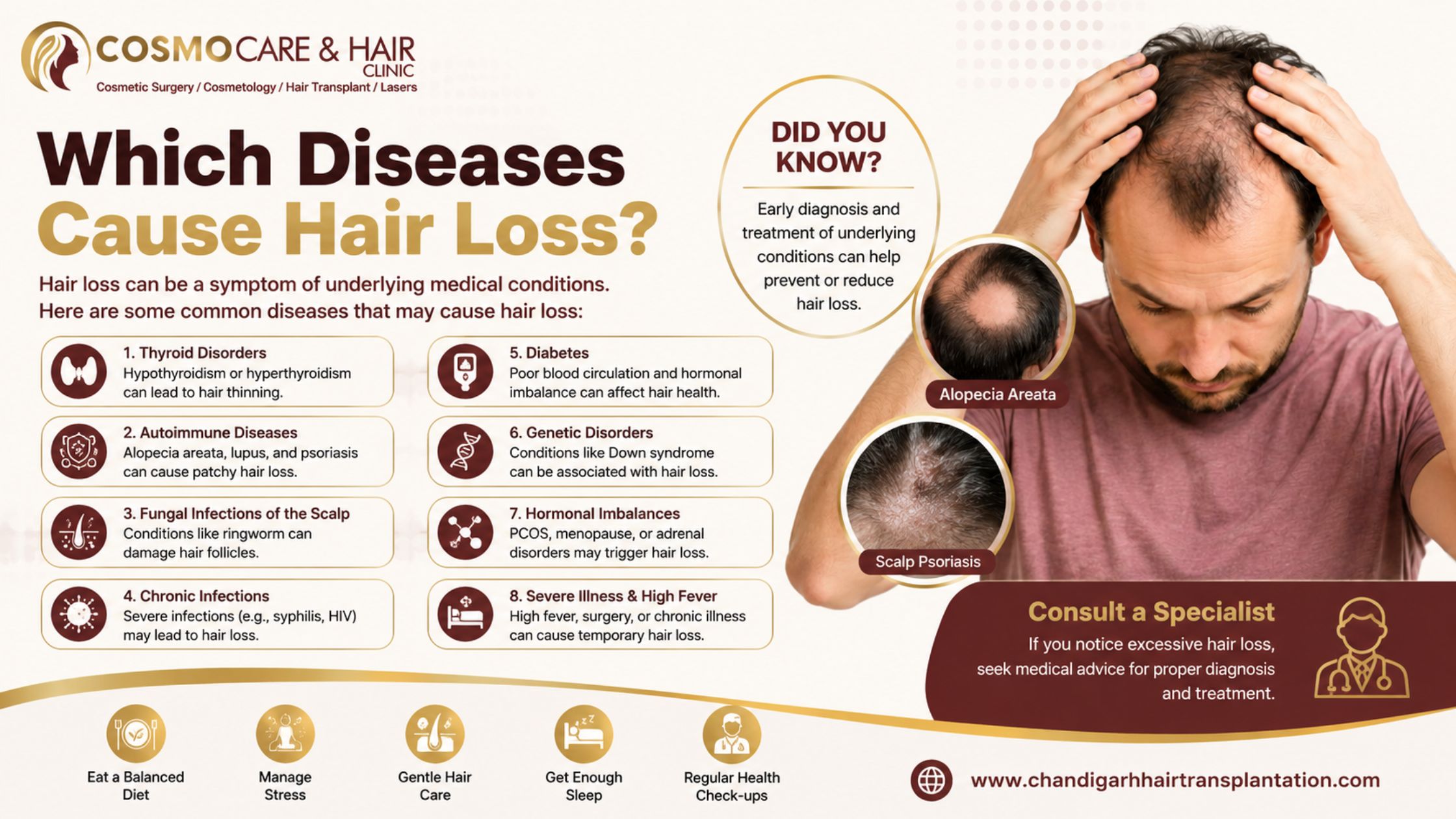
Hair loss is a common problem that affects both men and women. Which disease cause hair loss? is important because many people lose hair not only due to genetics but also because of hidden health conditions. Understanding the medical reasons behind hair fall can help in getting the right treatment at the right time. Diseases can affect the scalp, hormones, immune system, and even nutrition levels in the body, leading to weak hair roots and excessive shedding. In this article, we will explain the main diseases that can cause hair loss in simple words so everyone can understand easily and take better care of their hair health.
Understanding Hair Loss and Its Main Causes Explained Simply
Hair loss can happen due to many reasons, but diseases inside the body are often ignored. When your body is not healthy, your hair is the first place where the effect becomes visible. Common signs include thinning hair, bald patches, or sudden hair fall while combing or washing.
Some people think hair loss is only due to stress or shampoo, but medical conditions like thyroid problems, anemia, or autoimmune diseases are also major causes. These conditions disturb the normal growth cycle of hair. As a result, hair becomes weak and starts falling faster than normal.
Finding the root cause is very important because only then proper treatment can be started. Without treating the disease, hair fall may continue for a long time.
Thyroid Disorders and Hormonal Imbalance Effects Explained
Thyroid problems are one of the most common medical causes of hair loss. The thyroid gland controls hormones that manage body metabolism and hair growth. When this gland is not working properly, either too slow (hypothyroidism) or too active (hyperthyroidism), hair health gets affected.
In thyroid imbalance, hair becomes thin, dry, and starts falling evenly from the scalp. Many people also notice slow hair growth and lack of volume.
Hormonal imbalance during pregnancy, menopause, or PCOS in women can also lead to similar hair problems. Once hormones are disturbed, hair roots become weak, and new hair growth slows down.
Proper medical treatment and regular checkups can help restore hormone balance and reduce hair fall gradually.
Autoimmune Diseases Like Alopecia Areata Explained
Autoimmune diseases happen when the immune system mistakenly attacks the body’s own cells. One such condition is alopecia areata, which directly affects hair follicles.
In this disease, the immune system treats hair roots as a threat and starts attacking them. This leads to sudden hair loss in round patches on the scalp or other parts of the body.
The condition can be temporary or long-term depending on the person’s health. Stress and genetic factors may also trigger it.
Doctors usually treat this condition with medications that calm the immune system and support hair regrowth. Early diagnosis is very important to control further hair loss and improve recovery chances.
Nutritional Deficiency and Iron Deficiency Anemia Impact
Healthy hair needs proper nutrition. When the body lacks important nutrients, hair growth slows down and shedding increases.
Iron deficiency anemia is one of the biggest nutritional causes of hair loss. Iron helps carry oxygen to hair roots. Without enough iron, hair follicles become weak and start shedding.
Other important nutrients include protein, vitamin D, zinc, and biotin. A poor diet lacking these nutrients can make hair thin and lifeless.
People who follow crash diets or skip meals often face this issue. Eating a balanced diet with fruits, vegetables, and protein-rich foods can improve hair strength and reduce hair fall naturally.
Scalp Infections and Fungal Conditions Impact Explained
Scalp infections are another common reason for hair loss. These infections are usually caused by fungi or bacteria that affect the scalp skin.
Conditions like ringworm of the scalp can cause itching, redness, and patchy hair loss. When the scalp is infected, hair roots become weak and break easily.
Poor hygiene, sharing combs, or excessive sweating can increase the risk of infections. If not treated on time, these infections can spread and cause more severe hair damage.
Using proper medicated shampoos and following doctor’s advice can help clear the infection and restore healthy hair growth.
Chronic Illness Like Diabetes and Lupus Effects on Hair
Long-term diseases like diabetes and lupus can also lead to hair loss. In diabetes, poor blood circulation affects the scalp, making hair roots weak. High sugar levels can also damage hair follicles over time.
Lupus is an autoimmune disease where the immune system attacks healthy tissues, including the skin and hair. This can lead to patchy or overall hair thinning.
Other chronic illnesses also reduce the body’s ability to absorb nutrients properly, which affects hair growth.
Managing these diseases with proper medication and a healthy lifestyle can help control hair loss and improve overall hair health.
When to Visit a Hair Specialist Clinic for Proper Diagnosis?
If hair loss continues for a long time, it is important to consult a specialist. A proper diagnosis helps identify whether the cause is a disease, stress, or nutritional problem.
Visiting a trusted clinic like Chandigarh Hair Transplantation can help you understand the exact reason behind hair fall. If advanced cases are found, patients may also explore options like Hair Transplant Cost depending on their condition and doctor’s advice.
Early treatment is always better because it prevents further hair damage and increases the chances of regrowth. Ignoring the problem can make hair loss worse over time.
Treatment Options for Disease Related Hair Loss Care
Treatment for hair loss depends on the underlying disease. If the cause is thyroid imbalance, doctors prescribe hormone-regulating medicines. For anemia, iron supplements and diet changes are recommended.
Autoimmune conditions may need special medications to control the immune response. Scalp infections are treated with antifungal or antibacterial medicines.
In some cases, doctors also suggest lifestyle changes like reducing stress, eating a healthy diet, and improving sleep quality.
With proper care and timely treatment, hair loss caused by diseases can be controlled effectively, and new hair growth can be improved.
Conclusion
Hair loss due to diseases is more common than many people think. Conditions like thyroid imbalance, anemia, autoimmune disorders, and scalp infections can all affect hair health. The good news is that most of these problems can be treated if diagnosed early.
Maintaining a healthy lifestyle, eating nutritious food, and seeking medical advice on time are key steps to stop hair fall. Clinics like Chandigarh Hair Transplantation can guide patients with the right diagnosis and treatment plans for better results.
Remember, healthy hair always starts with a healthy body, so taking care of your overall health is the best way to prevent hair loss.
FAQs
1. Which disease causes the most hair loss?
Thyroid disorders, iron deficiency anemia, and alopecia areata are among the most common diseases that cause hair loss.
2. Can hair loss from diseases be reversed?
Yes, in many cases hair loss can be reversed if the underlying disease is treated early and properly.
3. Does diabetes cause hair fall?
Yes, diabetes can reduce blood flow to the scalp, which weakens hair roots and leads to hair thinning.
4. How do I know if my hair loss is due to a disease?
If you notice sudden or heavy hair fall along with other symptoms like fatigue, weight changes, or skin issues, it may be disease-related.
5. When should I see a doctor for hair loss?
If hair fall continues for more than a few weeks or increases suddenly, you should consult a hair specialist for proper diagnosis.