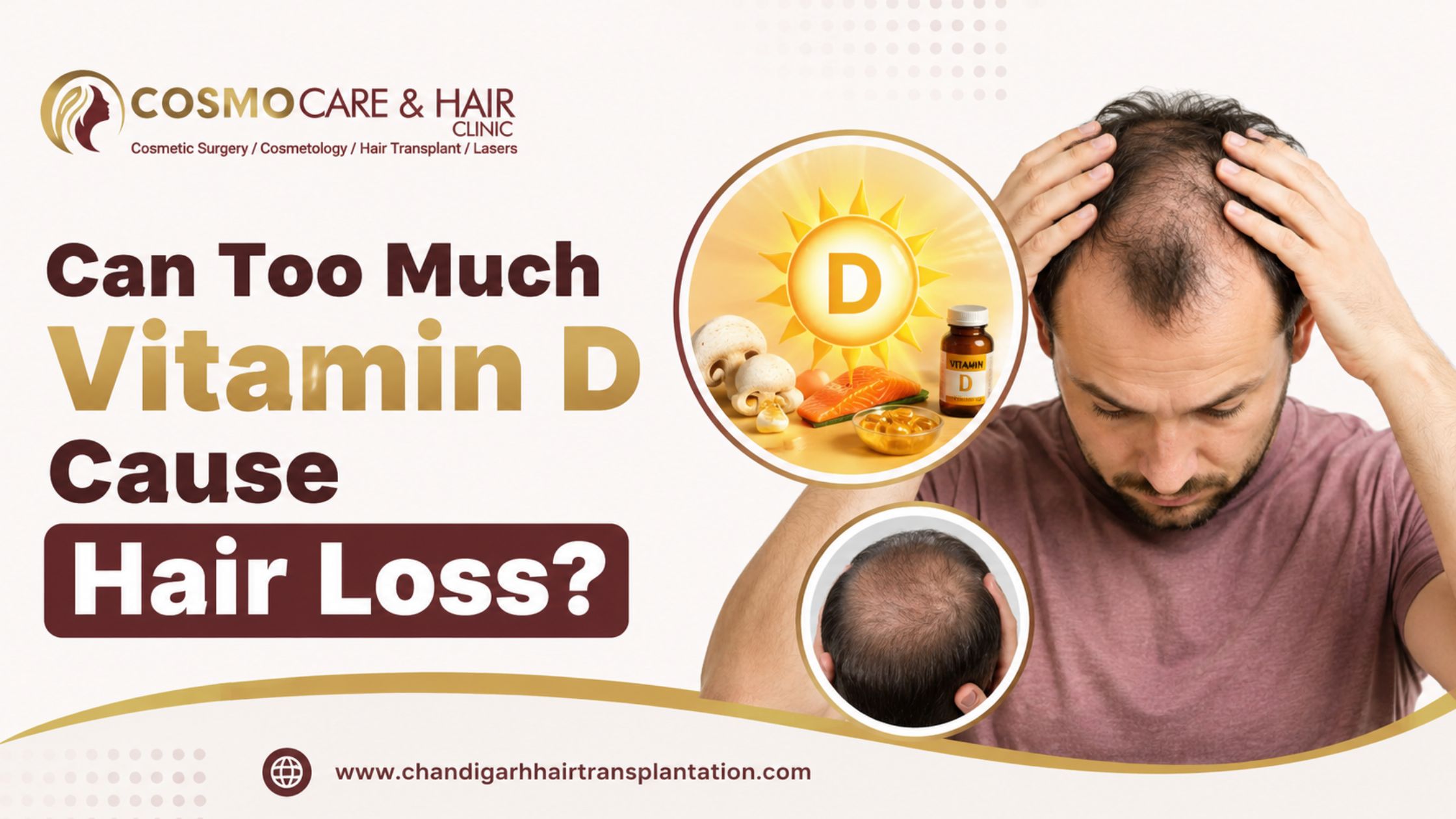
Hair loss is a common concern that affects people of all ages. Many people know that vitamin D is important for healthy hair growth, but they often wonder if taking too much vitamin D can actually lead to hair problems. While vitamin D plays a key role in maintaining healthy hair follicles, excessive intake of supplements may create imbalances in the body that can indirectly affect hair health. Understanding the connection between vitamin D and hair growth can help you make informed decisions about your overall wellness.
Understanding Vitamin D and Healthy Hair Growth
Vitamin D is an essential nutrient that supports many functions in the body. It helps maintain strong bones, supports the immune system, and plays a role in the hair growth cycle. Healthy levels of vitamin D help stimulate hair follicles and encourage the growth of new hair.
Research has shown that vitamin D deficiency is often linked to hair thinning and certain types of hair loss. Because of this connection, many people take vitamin D supplements to improve hair health. However, balance is important because too much of any nutrient can create unwanted effects.
Can Excess Vitamin D Lead to Hair Loss Problems?
Vitamin D itself does not directly cause hair loss in most cases. However, taking very high doses of vitamin D supplements over a long period may lead to vitamin D toxicity. This condition can affect the body’s normal balance of minerals and nutrients.
When vitamin D levels become excessively high, calcium levels in the blood can rise. This may cause several health issues that affect overall body function. While hair loss is not usually a direct symptom of vitamin D toxicity, the stress placed on the body may contribute to increased hair shedding in some individuals.
Signs and Symptoms of Too Much Vitamin D Intake
Vitamin D toxicity is rare but can happen when people take large amounts of supplements without medical supervision. The symptoms often develop gradually and may affect different parts of the body.
Common signs of excessive vitamin D intake include nausea, vomiting, fatigue, weakness, increased thirst, frequent urination, and confusion. High calcium levels can also affect kidney function and overall health. When the body experiences these problems, hair growth may be impacted indirectly.
If you suspect you are taking too much vitamin D, it is important to consult a healthcare professional for proper evaluation and testing.
How High Calcium Levels Affect Hair Health Naturally?
One of the main concerns with excessive vitamin D intake is the increase in blood calcium levels. Calcium is necessary for many body functions, but too much can create health complications.
When calcium levels become unbalanced, the body’s normal processes may be disrupted. Nutrient absorption, hormone regulation, and cellular function can be affected. Since healthy hair growth depends on a balanced internal environment, these disruptions may contribute to temporary hair thinning or increased hair shedding.
Maintaining proper nutrient balance is essential for supporting healthy hair follicles and long-term hair growth.
Recommended Daily Vitamin D Levels for Adults
Most adults need a moderate amount of vitamin D to maintain good health. The recommended daily intake varies based on age, health conditions, and individual needs. For many adults, healthcare providers recommend around 600 to 800 IU per day.
Some individuals with vitamin D deficiency may require higher doses for a limited period under medical supervision. Problems usually occur when people take very high doses for months without proper monitoring.
Regular blood testing can help determine whether your vitamin D levels are within a healthy range and prevent unnecessary supplementation.
Other Common Causes of Hair Loss You Should Know
If you are experiencing hair loss, vitamin D is only one factor to consider. Many other causes can contribute to hair thinning and excessive shedding.
Genetics is one of the most common reasons for hair loss in both men and women. Hormonal changes, stress, poor nutrition, thyroid disorders, and certain medical conditions can also affect hair growth. In some cases, hair loss may result from a combination of several factors rather than a single cause.
Understanding the root cause is important for choosing the most effective treatment approach.
Best Ways to Maintain Healthy Vitamin D Balance
The safest way to maintain healthy vitamin D levels is through a combination of sunlight exposure, a balanced diet, and supplements when needed. Foods such as fatty fish, egg yolks, fortified milk, and fortified cereals can help increase vitamin D intake naturally.
High-strength supplements should only be taken under professional guidance, and recommended dosage instructions should always be followed. Regular health checkups and blood tests can help ensure that your vitamin D levels remain within a healthy range.
By maintaining proper vitamin D balance, you can support both your overall health and healthy hair growth.
When to Seek Professional Advice for Hair Loss?
Hair loss that continues for several months should not be ignored. If you notice excessive shedding, thinning hair, or visible scalp areas, professional evaluation can help identify the cause.
Specialists can assess nutritional deficiencies, hormonal imbalances, genetic factors, and other conditions that may be affecting hair growth. At Chandigarh Hair Transplantation, patients receive personalized assessments to understand the underlying causes of hair loss and explore suitable treatment options.
Early diagnosis often leads to better outcomes and improved hair health over time.
Expert Solutions for Long-Term Hair Growth Success
Treating hair loss successfully requires addressing the root cause rather than focusing on symptoms alone. Whether the issue is related to nutrition, hormones, stress, or genetics, a personalized treatment plan can help improve results.
Experienced professionals at Chandigarh Hair Transplantation can guide individuals through advanced hair restoration solutions and preventive care strategies. Combining professional treatment with healthy lifestyle habits can support stronger, healthier hair growth for the future.
Best Hair Transplant Clinic in Chandigarh and Cost
Choosing the Best Hair Transplant Clinic in Chandigarh is an important step toward achieving natural-looking and long-lasting hair restoration results. A trusted clinic should offer experienced surgeons, advanced hair transplant techniques, personalized treatment plans, and comprehensive aftercare support. Along with quality treatment, many patients also consider the Best Hair Transplant Cost In Chandigarh when making their decision. The overall cost depends on factors such as the number of grafts required, the level of hair loss, the transplant method used, and the expertise of the medical team. Chandigarh Hair Transplantation provides personalized consultations, transparent pricing, and advanced hair restoration solutions designed to deliver safe, effective, and natural results. By choosing a reputable clinic with experienced professionals, patients can achieve improved hair density, enhanced confidence, and long-term satisfaction.
Conclusion
Vitamin D is an important nutrient that supports healthy hair growth, but taking excessive amounts of supplements may create health problems that indirectly affect hair health. While too much vitamin D does not usually cause hair loss directly, vitamin D toxicity can disrupt the body’s balance and contribute to hair shedding in some cases. Maintaining proper vitamin D levels through balanced nutrition, safe supplementation, and professional guidance is the best way to support healthy hair and overall well-being.
Frequently Asked Questions
1. Can too much vitamin D directly cause hair loss?
Too much vitamin D does not usually cause hair loss directly, but excessive levels may create health imbalances that can contribute to hair shedding.
2. How much vitamin D is considered too much?
Taking more than the recommended dose for an extended period without medical supervision may increase the risk of vitamin D toxicity.
3. Can vitamin D supplements help with hair growth?
If hair loss is linked to vitamin D deficiency, supplements may help improve hair growth when taken under medical guidance.
4. What are the symptoms of vitamin D toxicity?
Common symptoms include nausea, weakness, fatigue, increased thirst, frequent urination, and high calcium levels in the blood.
5. Should I stop taking vitamin D if I notice hair loss?
Do not stop supplements without consulting a healthcare professional. A proper evaluation can help determine the actual cause of your hair loss.